Early Life and Formation
Ron Leibman occupied a singular place in American performance history. His presence was brisk, sardonic, and unmistakably theatrical. He moved easily between Broadway, television, film, and animation. That range made him a rare kind of character actor.
He was born on October 11, 1937, in Manhattan, New York City. His family was Jewish, with Russian ancestry. His father, Murray Leibman, worked in the garment industry. His mother, Grace Leibman, helped shape a culturally engaged household.
Leibman studied at Ohio Wesleyan University and graduated in 1958. He then trained at The Actors Studio in New York City. That training sharpened his instinct for intensity and precision. It also prepared him for a career that often favored volatility over polish.
His earliest professional experience came in the late 1950s. He worked with The Compass Players, an improvisational group in Chicago and St. Louis. That environment rewarded spontaneity, quick wit, and sharp listening. Those habits became central to his later screen and stage work.
Stage Work and Broadway Breakthrough
Leibman’s theater career began with a steady accumulation of demanding roles. He made his Broadway debut in 1963 in Dear Me, The Sky Is Falling. He later appeared in We Bombed in New Haven in 1972. Each production widened his reputation for ferocious stage energy.
His stage work often depended on verbal dexterity and emotional audacity. He could sound combative, wry, or imperious within a single exchange. That elasticity made him formidable in both comedy and drama. Directors valued his ability to dominate a room without seeming mechanical.
One of his most celebrated stage achievements arrived in 1993. He played Roy Cohn in Angels in America. The role demanded menace, charisma, and moral corrosion. Leibman delivered all three with unnerving force.
That performance earned major recognition. He won the Tony Award for Best Actor in a Play. He also received the Drama Desk Award in 1993. For many theatergoers, that role became the definitive image of his stage authority.
| Year | Production | Role | Recognition |
|---|---|---|---|
| 1963 | Dear Me, The Sky Is Falling | Broadway debut | Early Broadway credit |
| 1972 | We Bombed in New Haven | Lead | Prominent stage role |
| 1986 | Tartuffe | Lead | Shared the stage with Jessica Walter |
| 1993 | Angels in America | Roy Cohn | Tony Award and Drama Desk Award |
Film Roles and Cinematic Range
Leibman brought a similarly volatile style to film. He was not a conventional leading man. Instead, he often excelled as an incisive disruptor within an ensemble. His screen characters frequently carried impatience, intelligence, and comic abrasion.
His filmography includes Where’s Poppa? from 1970. He appeared in The Hot Rock and Slaughterhouse Five in 1972. He also acted in Norma Rae in 1979. Later, he appeared in Zorro The Gay Blade in 1981 and Dummy in 2003.
His work in Norma Rae remained especially notable. He played Reuben, a union organizer with earnest conviction. The role added another texture to his career. It showed that he could project warmth without losing his sharper edges.
| Year | Film | Role |
|---|---|---|
| 1970 | Where’s Poppa? | Sidney Hocheiser |
| 1972 | The Hot Rock | Lawyer |
| 1972 | Slaughterhouse Five | Paul Lazzaro |
| 1979 | Norma Rae | Reuben |
| 1981 | Zorro The Gay Blade | Esteban |
| 2003 | Dummy | Jury Member |
Television Presence and Recognition
Television gave Leibman a wider audience and a different rhythm. He could use restraint when a scene required it. He could also turn explosive when a script demanded confrontation. That adaptability made him exceptionally useful in long running series.
His breakthrough television role came with Kaz from 1978 to 1979. He portrayed Martin Kazinsky, known as Kaz. The series was brief, yet it left a strong impression. Leibman won the Emmy Award for Outstanding Lead Actor in a Drama Series for the part.
He later appeared in several major television properties. He played Robert Colby in Law and Order. He appeared as Dr. Leonard Green in Friends. He also worked in The Practice and The Sopranos. These roles demonstrated a skill for instant authority.
| Years | Series | Character | Notable Detail |
|---|---|---|---|
| 1978 to 1979 | Kaz | Martin Kazinsky | Emmy Award winning role |
| 1995 to 2000 | Law and Order | Robert Colby | Recurring appearances |
| 1996 to 2004 | Friends | Dr. Leonard Green | Rachel Green’s father |
| 2000 to 2006 | The Practice | Attorney Colby | Extended character arc |
| 2004 to 2007 | The Sopranos | Dr. Plepler | Psychiatric role |
Ron Leibman in Archer
Leibman’s work in Archer introduced him to a newer generation. From 2013 to 2016, he voiced Ron Cadillac. The character was suave, enigmatic, and faintly mischievous. He appeared in seven episodes across Seasons 4, 5, and 6.
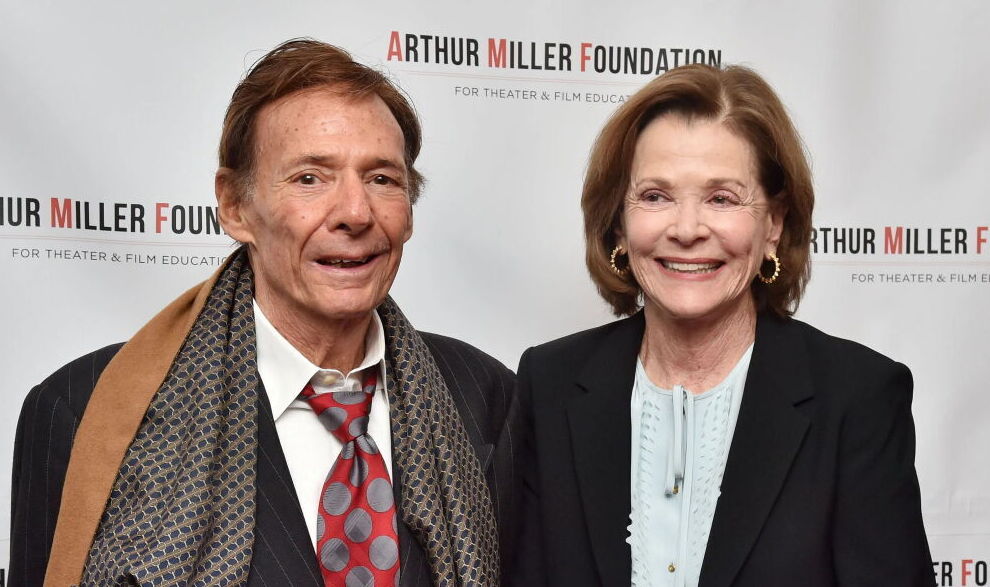
Ron Cadillac mattered because the role carried personal resonance. Leibman was married to Jessica Walter, who voiced Malory Archer. Their real life marriage enriched the animated relationship. The result was unusually textured for a voice performance.
He first entered the series in Season 4 with “Midnight Ron.” Later episodes expanded the character’s mystique and usefulness. During the Archer: Vice arc, he became a recurring presence. By Season 6, the character had become part of the show’s emotional architecture.
| Season | Episode | Air Year | Plot Note |
|---|---|---|---|
| 4 | “Midnight Ron” | 2013 | Character introduction |
| 5 | Multiple episodes | 2014 | Continued recurring role |
| 6 | “Achub Y Morfilod” | 2015 | Field mission involvement |
Personal Life and Family Ties
Leibman’s personal life was intertwined with performance culture. He married actress Linda Lavin in 1969. Their marriage lasted until 1981. He later married actress Jessica Walter in 1983.
His marriage to Walter endured for 36 years. They worked together in theater and television. Their collaborations included Tartuffe in 1986, Rumors in 1988, and Dummy in 2003. Their partnership was both domestic and artistic.
Leibman did not have biological children. However, he remained close to Jessica Walter’s daughter, Brooke Bowman. She worked as a television executive. That connection placed him within a broader creative family network.
Death and Enduring Legacy
Ron Leibman died on December 6, 2019, in New York City. He was 82 years old. The cause was complications from pneumonia. His death closed a career that had stretched across more than five decades.
His influence did not vanish with his passing. Archer honored him with a tribute in Season 11. The episode “Bloodsploosh” aired on September 16, 2020. It included an “In Loving Memory” title card.
The series later offered a final symbolic farewell in Season 12. That beach epilogue linked Ron Cadillac and Malory Archer one last time. It served as a quiet memorial to both Leibman and Walter. Few television tributes felt as intimate.
Leibman’s professional record was unusually expansive. He accumulated more than 500 credited performances. He moved through Broadway, Hollywood, television dramas, and animated satire. That breadth remains one of the clearest markers of his distinction.
Key Takeaways
Ron Leibman was born on October 11, 1937, in Manhattan. His early training at Ohio Wesleyan University and The Actors Studio shaped his craft. The Compass Players gave him an improvisational foundation that lasted throughout his career.
His theater achievements were especially eminent. He won both a Tony Award and a Drama Desk Award in 1993. His portrayal of Roy Cohn in Angels in America remains a benchmark performance.
His screen work was equally varied. He appeared in films such as Norma Rae, Slaughterhouse Five, and Zorro The Gay Blade. He also earned an Emmy for Kaz in 1979.
His Archer role carried rare emotional depth. Ron Cadillac became memorable partly because Jessica Walter voiced Malory Archer. Their marriage gave the animated pairing additional resonance.
He died in 2019, yet his legacy persists. That legacy includes stage power, television distinction, and voice work with uncommon nuance.